Verified
“Our restaurant needed a commercial awning with custom lettering. The quality is amazing and they finished ahead of schedule. Highly recommend for business owners.”
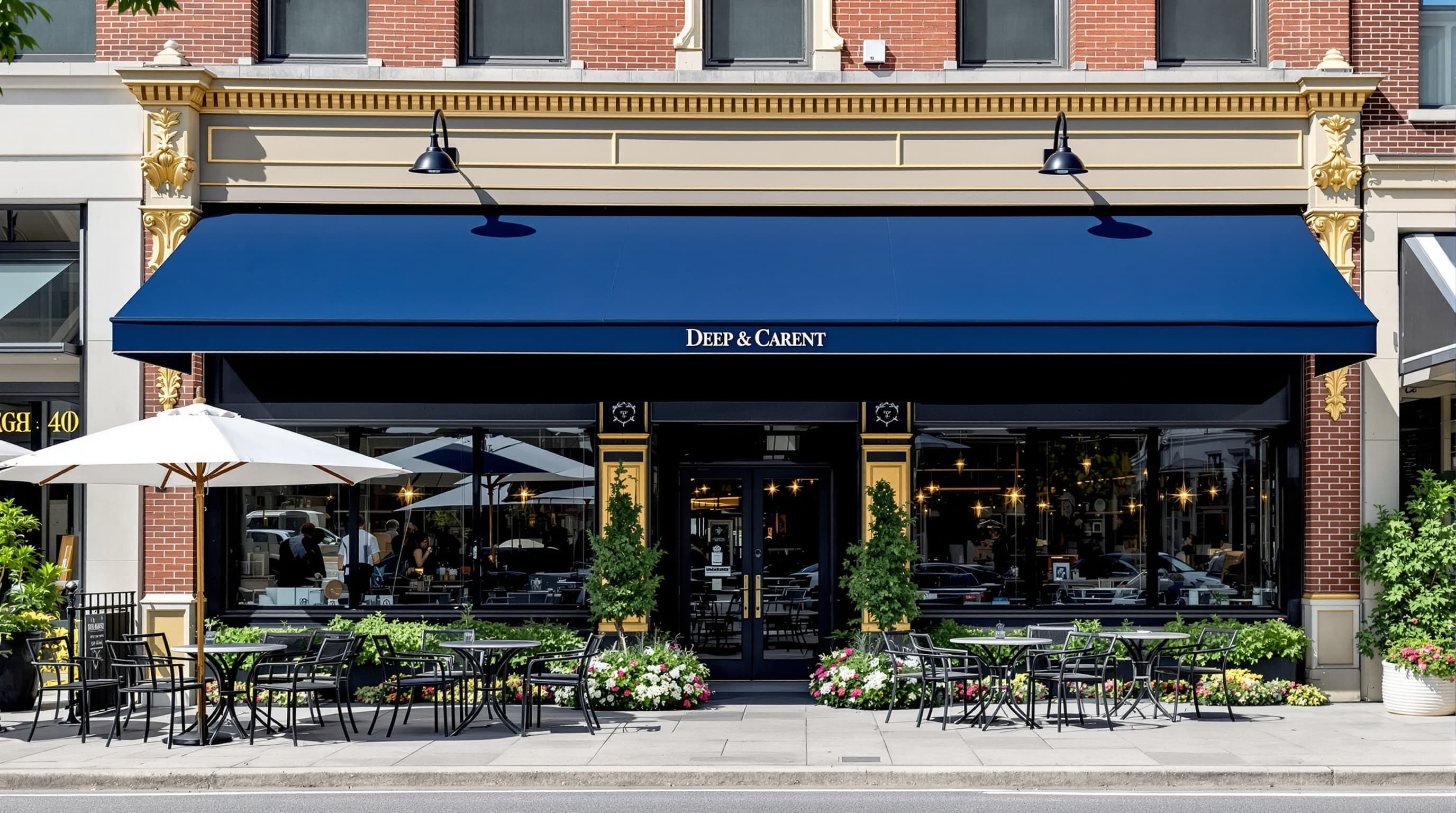
Restaurants, Retail & Office Buildings
Custom graphics, LED lighting, permits handled. We make Long Island businesses look great and attract more customers — with awnings built to last 10–20 years.
B2B Advantage
We work with property managers, restaurant groups, and retailers across Long Island. Volume pricing available for multi-location installations.
We respond within 2 hours on business days.
Our Work
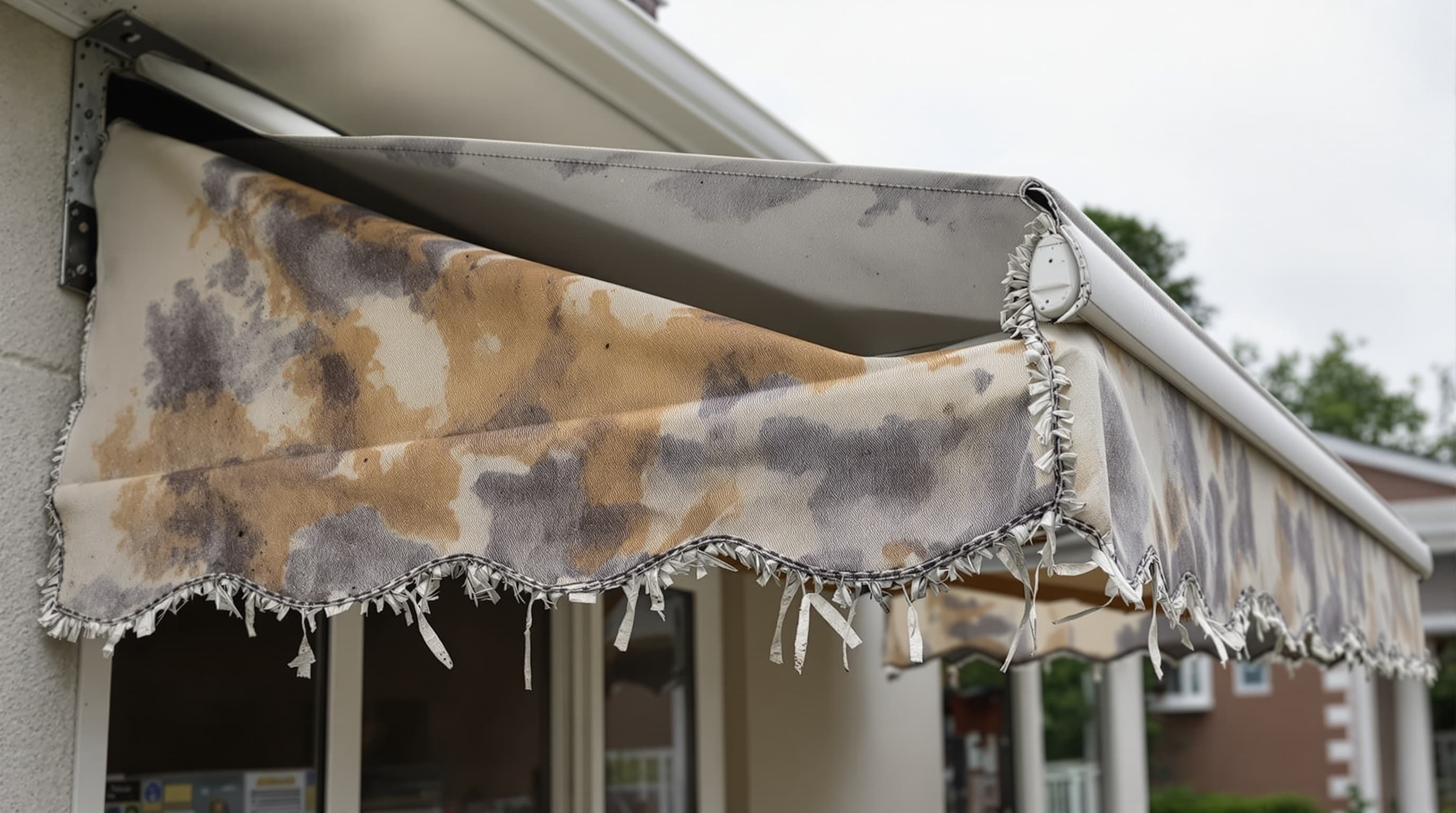 Before
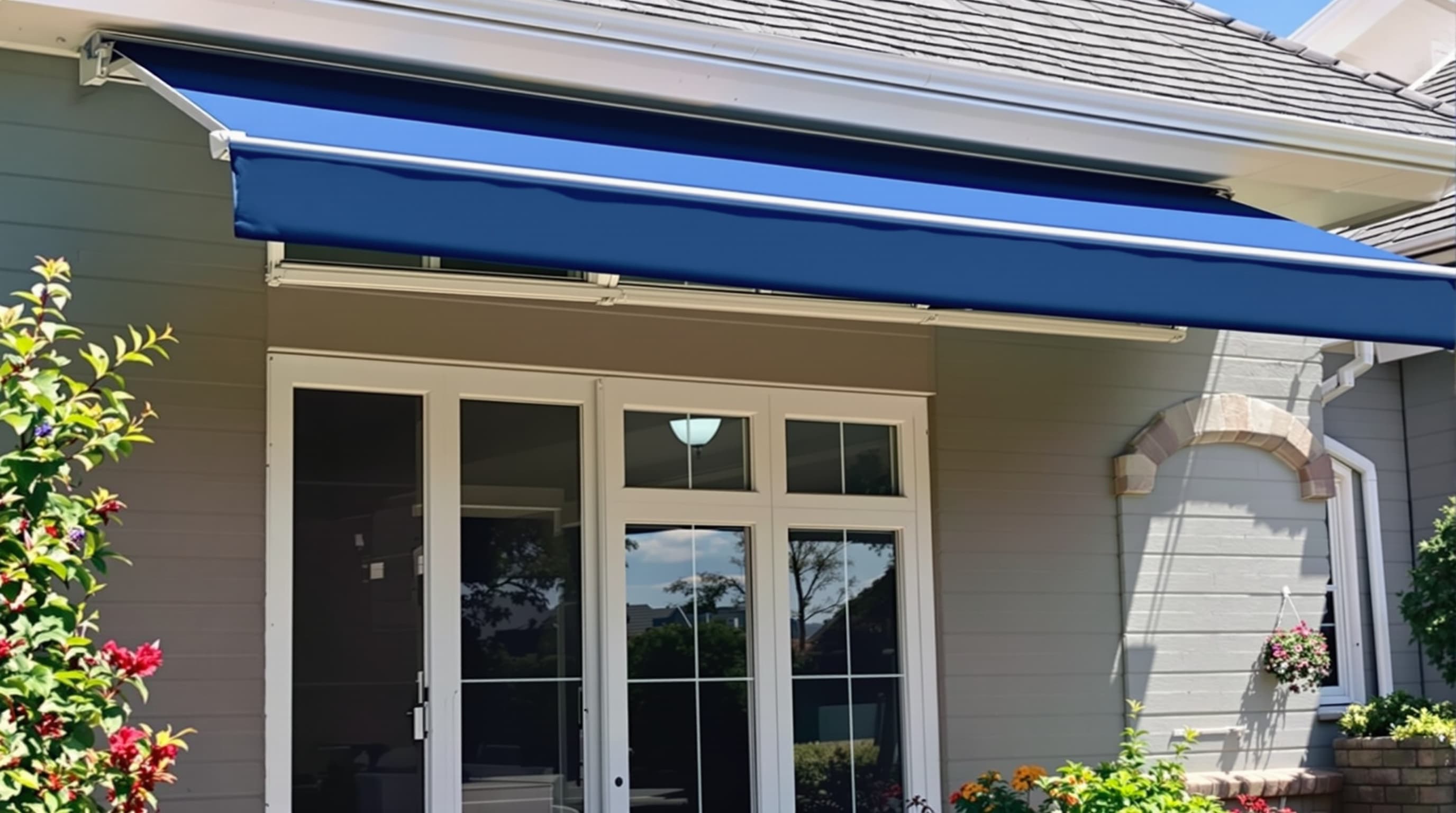 After
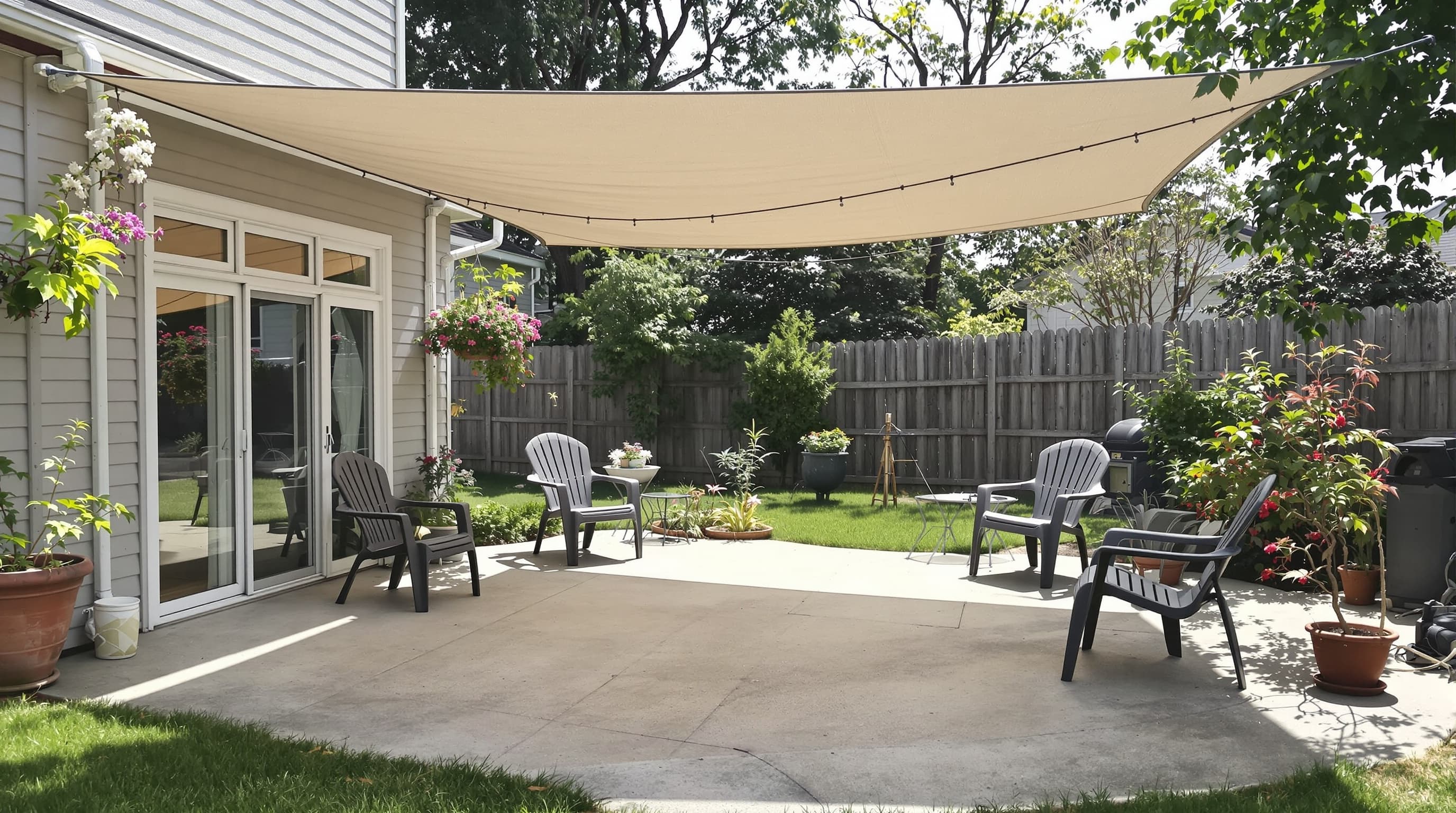 Before
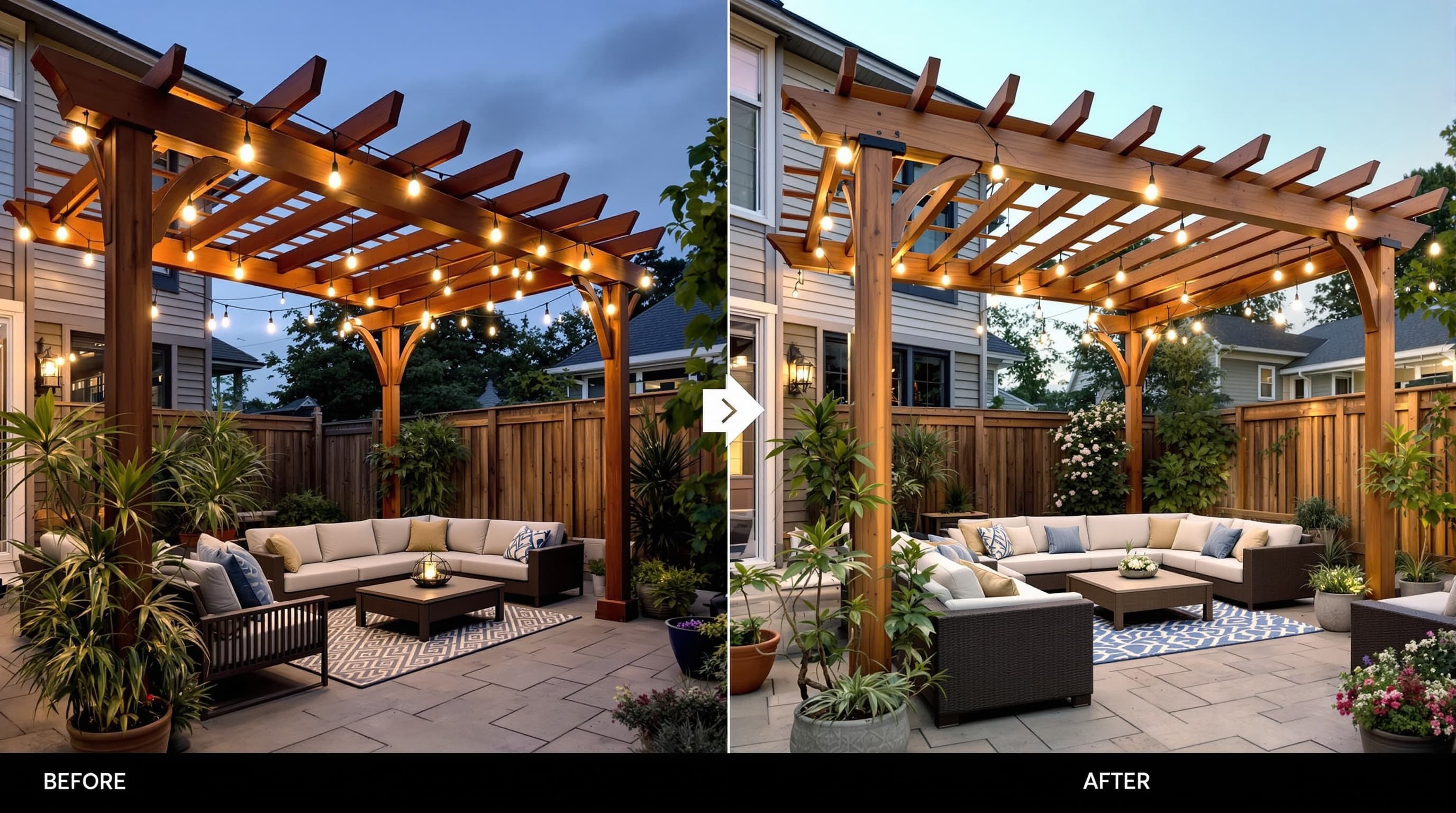 After
Our Crew
Every installation is handled by our in-house crew — the same team that did your estimate. No subcontractors. No strangers. Just the people who know your project.
Commercial Services
Screen-printed or heat-transfer logos, business names, and contact info on UV-resistant commercial fabric.
Dramatically improves night visibility and creates welcoming curb appeal. All weatherproofed commercial-grade.
We manage the entire sign permit process — drawings, applications, inspections — in Nassau and Suffolk Counties.
All our commercial awning installations meet ADA clearance requirements for public walkways.
Box frame, dome, bullnose, quarter-round. Each style tuned to your storefront architecture.
Property managers and restaurant groups receive volume pricing for multi-location contracts.
How It Works
Commercial work on Long Island usually lands in one of a few settings: a storefront on a village main street, a unit in a strip center, a restaurant that wants covered outdoor seating, or an office or medical building that needs a dry, good-looking entrance. Each one has its own rules about what can hang over the sidewalk, how big the lettering can be, and who has to sign off before anything goes up.
| Setting | Usual choice | What drives the design |
|---|---|---|
| Village main street storefront | Fixed box or sloped awning with the name on the valance | Village sign rules, sometimes architectural review, and how far it may project over a public sidewalk |
| Strip center unit | Fixed awning or metal canopy that matches the neighbors | Landlord design standards and a consistent color and height across tenants |
| Restaurant or cafe seating | Retractable awning over the patio, or a fixed frame with fabric | Table layout, heaters and lighting, and how much you use the space in spring and fall |
| Office, medical or multi-tenant entry | Metal or structural canopy | Door clearance, drainage, the wall it hangs on, and a look that suits the building |
| Walkways, loading doors, pickup areas | Long fixed fabric run or a metal canopy | Vehicle clearance, the length of the run, and snow load |
On Long Island the building and sign permits come from your town, city or incorporated village, not the county, and many villages run their own sign rules or design review on top of that. If you rent, the landlord or property manager usually has to approve the design first. Build that into your timeline, especially if you want the awning up before the spring and summer rush when most storefronts and restaurants are trying to get the same thing done.
Fabric is the classic storefront look, it carries color and lettering well, and it is the easier one to update if you rebrand. A metal or structural canopy costs more up front but has no fabric to replace and suits office, medical and newer retail buildings. If you are weighing the two, our glass and metal canopies comparison covers fabric, metal, glass and structural canopies side by side. Restaurants that want to keep using a patio into the cooler months should also look at patio covers and enclosures, and our commercial awnings guide goes deeper on styles and planning.
FAQ
Business Reviews
“Our restaurant needed a commercial awning with custom lettering. The quality is amazing and they finished ahead of schedule. Highly recommend for business owners.”
“The crew installed our motorized awning in one day. No mess, no drama, and the awning works perfectly. We use it every single day now.”
“Had our pergola installed last spring. The cedar quality is exceptional and the craftsmanship is top-notch. The same crew showed up each day — huge deal.”
Custom commercial awnings with graphics, lighting, and permits handled. Free on-site estimates.